
Prenatal visits
Maternal and fetal observations, education, labs and referrals, nutrition, psychosocial well-being, family preparation, and informed decisions.
Comprehensive midwifery care
A familiar midwife, an unhurried rhythm of prenatal visits, attentive care during labor and birth, and meaningful follow-up at home - all organized around informed choice and the needs of your family.
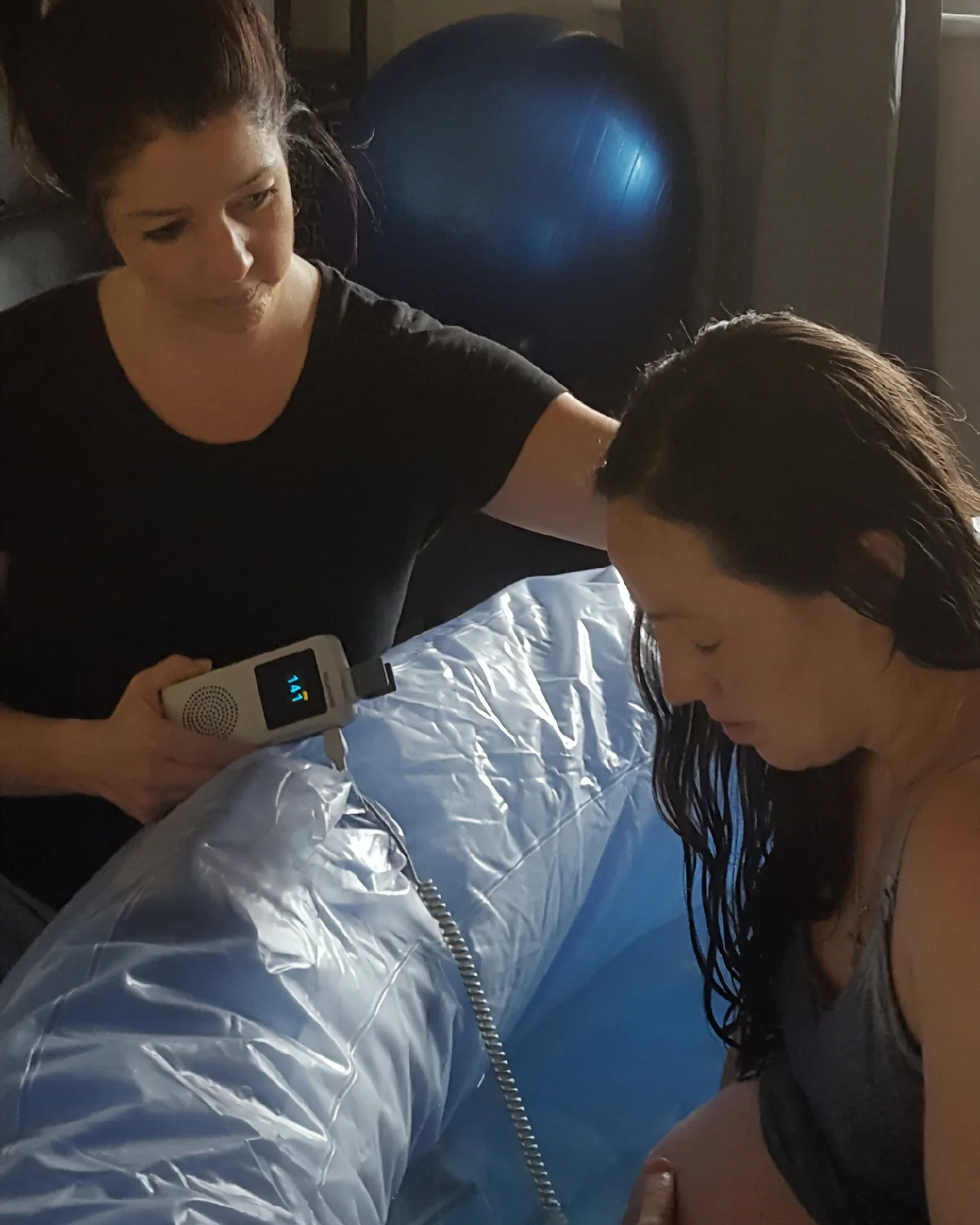
Prenatal care
Care can begin as early in pregnancy as you are ready. A common schedule is every three to four weeks until about 30 weeks, every two weeks until 36 weeks, and weekly until birth, with adjustments when more support is helpful.
Visits include routine maternal and fetal observations, health history, growth and position, nutrition, movement, rest, emotional well-being, questions, laboratory coordination, referrals, and preparation for labor, birth, feeding, and newborn care.
What is included
The exact rhythm is individualized, but comprehensive care includes each of these relationships and responsibilities.
Maternal and fetal observations, education, labs and referrals, nutrition, psychosocial well-being, family preparation, and informed decisions.
Around 36-37 weeks, review the birth space, heat, water, phone access, supplies, family roles, newborn provider, and transport readiness.
Assessment, comfort measures, coaching when desired, space for instinct and movement, and ongoing observation of parent and baby.
Attendance at birth, third-stage care, newborn transition and assessment, feeding support, and stabilization for at least two hours.
Visits around 24 hours, 3-5 days, 2 weeks, and 6 weeks, plus phone availability and referrals when needs fall outside normal recovery.
Early feeding, latch, comfort, milk transfer, diaper output, newborn alertness, weight, and timely specialist or pediatric referral when needed.
Labor & birth
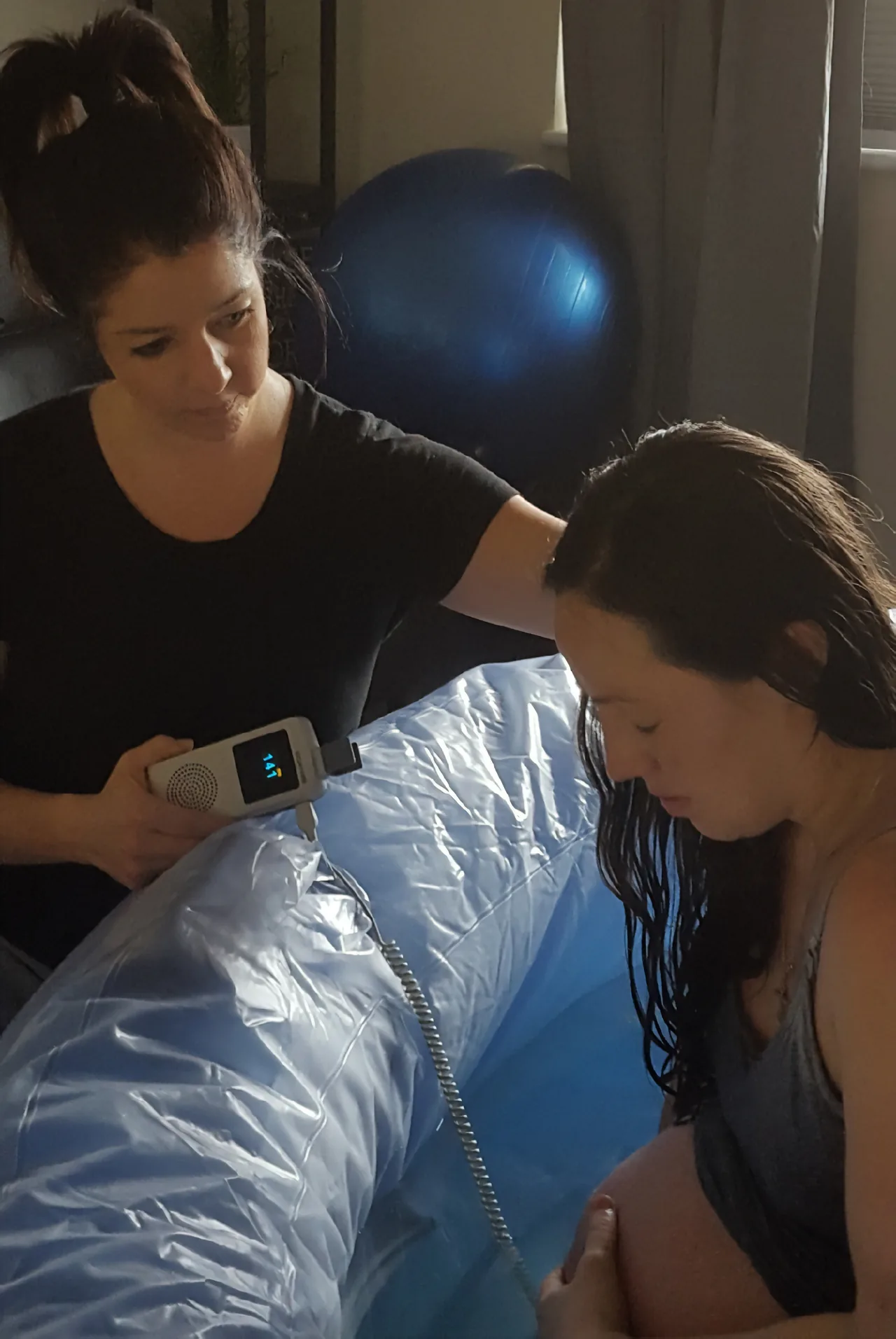
Julia makes every effort to attend each birth with a trained assistant or another midwife. The team respects privacy, follows the family's agreed plan, and carries equipment for routine assessment and common out-of-hospital emergencies.
Maternal well-being, fetal heart rate, labor progress, hydration, comfort, and clinical changes are observed at intervals appropriate to the stage of labor. Vaginal exams are used thoughtfully and with consent. After birth, attention turns to bleeding, placenta, perineal assessment, newborn transition, warmth, feeding, and family bonding.
Birth belongs to the family. Julia guides with wisdom and experience. The laboring person remains in control of choices, movement, privacy, and who is present.


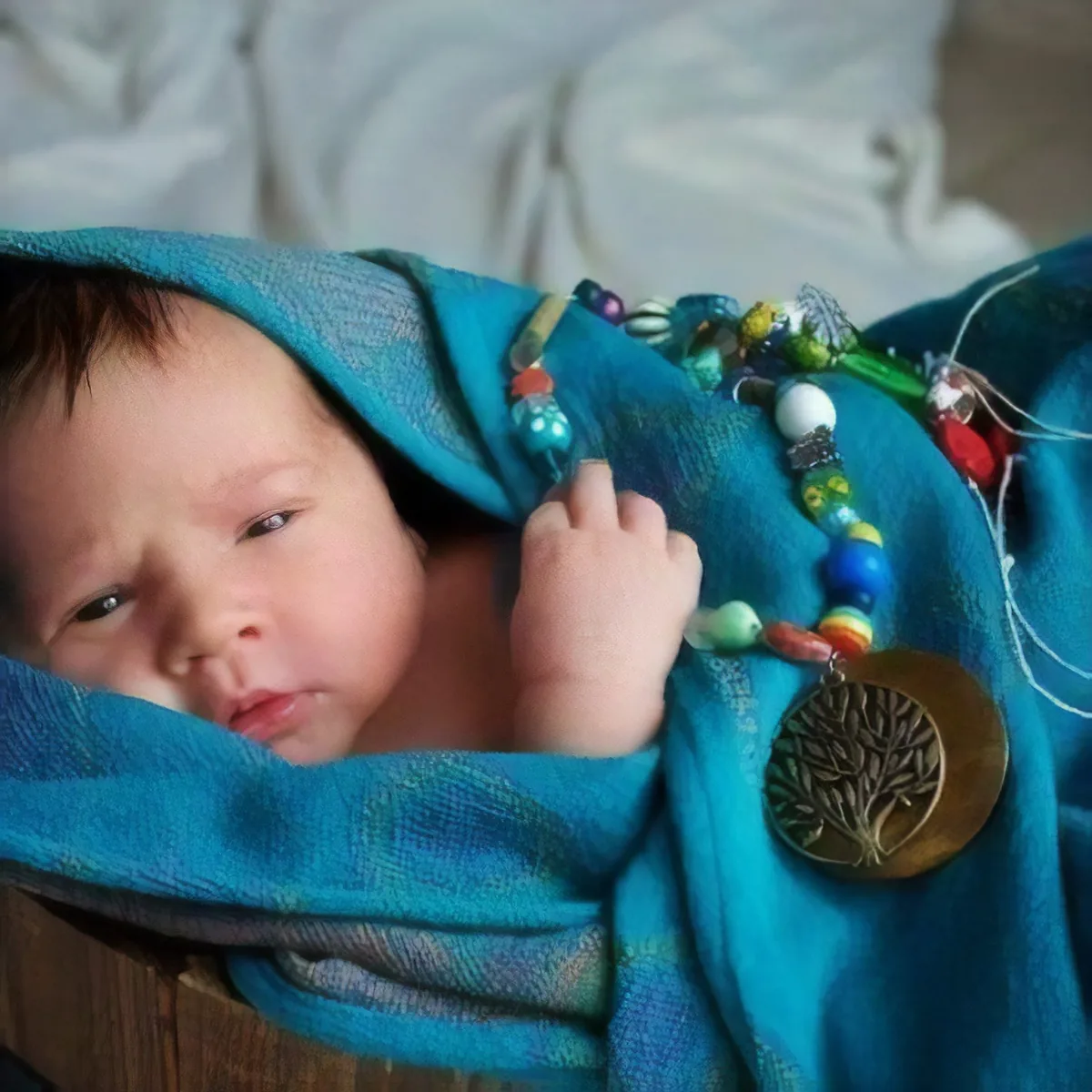
Postpartum & newborn care
Early recovery can be beautiful and intense. Follow-up focuses on both parent and baby, practical feeding help, emotional health, and signs that need a higher level of care.
Around 24 hours
Bleeding, uterine recovery, vital signs as indicated, comfort, urination, feeding, newborn breathing, color, alertness, elimination, and family support.
3-5 days
Milk production, latch and transfer, nipple comfort, newborn weight pattern, jaundice, cord healing, sleep, and parent recovery.
2 weeks
Healing, emotional well-being, feeding progress, newborn growth, questions, family rhythms, and referrals when useful.
6 weeks
Parent and baby weight, tear healing if relevant, contraception discussion and referral, lingering questions, and next-step referrals.

Eligibility & consultation
Julia assumes primary care of essentially healthy clients with pregnancies that remain within the boundaries of her training, practice guidelines, available support, and reasonable access to consultation and transport.
Medical history, prior pregnancies, current findings, medications, substance use, fetal growth and presentation, blood pressure, laboratory information, gestational age, and family readiness all contribute to the decision. Eligibility can change, which is why assessment continues throughout care.
Some circumstances are incompatible with primary home birth care. Others require consultation or a carefully documented plan. A free consultation is a starting conversation, not a guarantee of eligibility.
Home birth questions
Every care plan is individual. These answers describe the general approach used by Cleveland Homebirth.
Care includes prenatal visits, childbirth preparation, labor and birth attendance, immediate newborn and postpartum assessment, breastfeeding support, and follow-up through six weeks postpartum. Referrals and consultations are arranged when needs fall outside the midwife's scope.
You may begin as early in pregnancy as you are ready. Early contact allows time to review health history, goals, prior birth experiences, nutrition, labs, and whether home birth appears appropriate for your individual situation.
A common schedule is every three to four weeks until about 30 weeks, every two weeks until 36 weeks, and weekly until birth. Visits are individualized, and more time or additional visits may be offered when helpful.
The practice is designed around personalized care and may include home-based visits. A dedicated home visit is typically completed around 36-37 weeks to review the birth space, supplies, communication plan, and transport readiness.
Julia makes every effort to attend with another trained assistant or midwife. The exact team may vary by availability and the family's needs, and it is discussed during prenatal care.
An individualized emergency transport plan is discussed before labor. When transfer is appropriate, Julia makes every effort to communicate with the receiving team, share records with permission, and remain as an advocate and support person. She does not hold hospital privileges.
Yes. Maternal desire is itself a reason to transfer. Your comfort, consent, and changing preferences remain part of ongoing decision-making.
Health history and pregnancy risk are reviewed at the beginning of care and throughout pregnancy, labor, birth, and postpartum. Consultation, referral, or transfer is recommended when findings fall outside the boundaries of safe home birth care or Julia's training and comfort.
Yes. Families are encouraged to choose a pediatrician, family physician, or other qualified newborn care provider before birth and to arrange routine newborn follow-up and screening.
The regular region extends roughly from Mentor to Sandusky east-to-west and Cleveland to Akron north-to-south. The service-area directory includes 85 city-specific pages across the major communities in between. Availability depends on due dates, exact address, travel time, and the individual care plan.