Frequently asked questions
Clear answers for thoughtful home birth decisions.
Learn about prenatal visits, the birth team, testing, transfers, postpartum care, supplies, service areas, and how to begin. Individual questions belong in a private consultation.
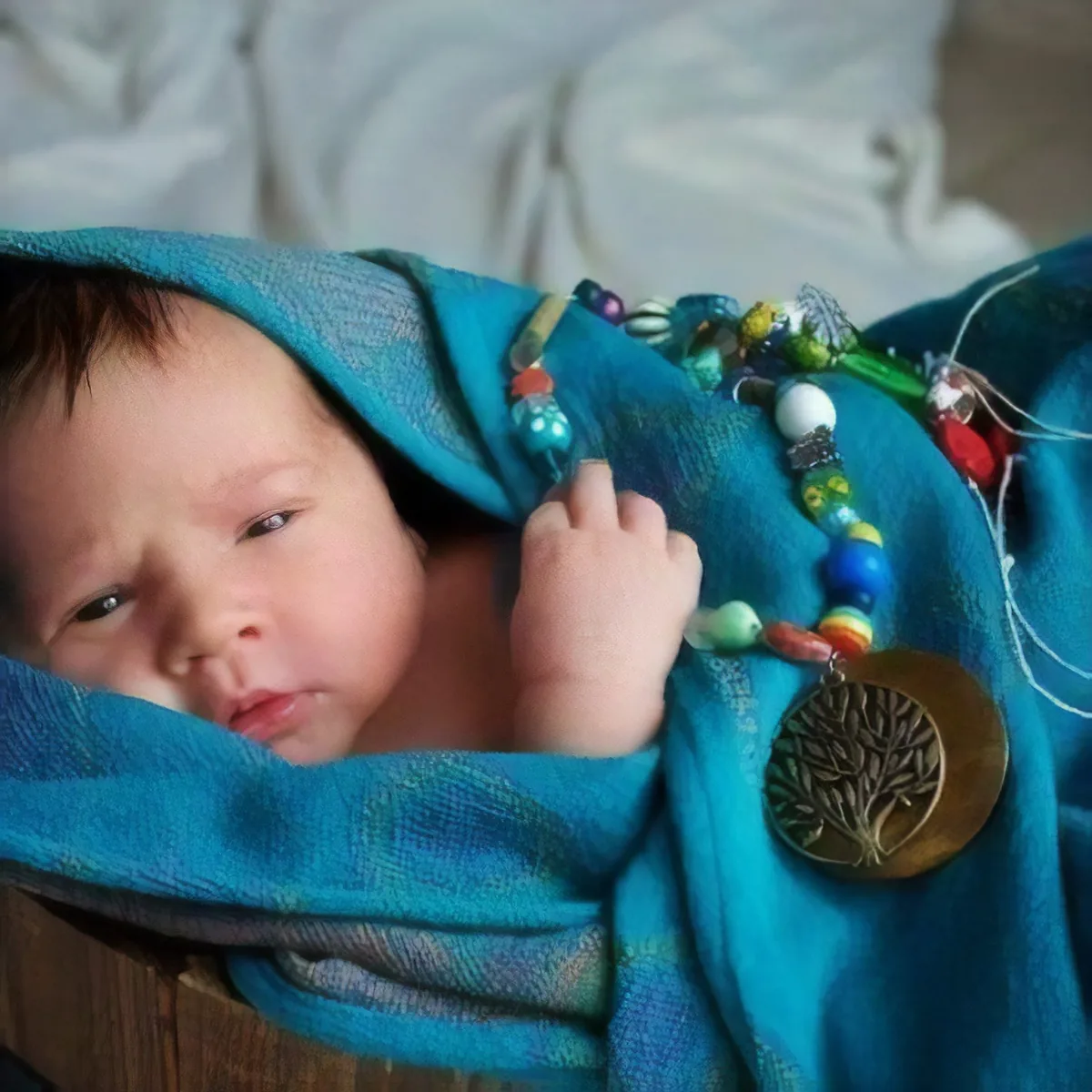
General information only. Eligibility, testing, risk, birth setting, and urgent symptoms require individualized assessment. In an emergency, call 911.
What is a Certified Professional Midwife (CPM)?
The CPM is a national midwifery credential issued by the North American Registry of Midwives. It is competency-based and includes education, supervised clinical experience, examination, and out-of-hospital birth experience. Credentialing and legal recognition vary by state.
What does comprehensive home birth care include?
Care includes prenatal visits, childbirth preparation, labor and birth attendance, immediate newborn and postpartum assessment, breastfeeding support, and follow-up through six weeks postpartum. Referrals and consultations are arranged when needs fall outside the midwife's scope.
When should prenatal care begin?
You may begin as early in pregnancy as you are ready. Early contact allows time to review health history, goals, prior birth experiences, nutrition, labs, and whether home birth appears appropriate for your individual situation.
How often are prenatal visits?
A common schedule is every three to four weeks until about 30 weeks, every two weeks until 36 weeks, and weekly until birth. Visits are individualized, and more time or additional visits may be offered when helpful.
How long are prenatal visits?
Visits are generally unhurried and often last about an hour, allowing time for clinical observations, questions, preparation, nutrition, emotional well-being, family participation, and informed decision-making.
Do prenatal visits happen at home?
The practice is designed around personalized care and may include home-based visits. A dedicated home visit is typically completed around 36-37 weeks to review the birth space, supplies, communication plan, and transport readiness.
Who attends the birth?
Julia makes every effort to attend with another trained assistant or midwife. The exact team may vary by availability and the family's needs, and it is discussed during prenatal care.
What happens if a hospital transfer is needed?
An individualized emergency transport plan is discussed before labor. When transfer is appropriate, Julia makes every effort to communicate with the receiving team, share records with permission, and remain as an advocate and support person. She does not hold hospital privileges.
Can I choose a hospital transfer during labor?
Yes. Maternal desire is itself a reason to transfer. Your comfort, consent, and changing preferences remain part of ongoing decision-making.
How are safety and risk assessed?
Health history and pregnancy risk are reviewed at the beginning of care and throughout pregnancy, labor, birth, and postpartum. Consultation, referral, or transfer is recommended when findings fall outside the boundaries of safe home birth care or Julia's training and comfort.
Are lab tests and ultrasounds required?
Routine testing is discussed through informed consent. Julia can order or coordinate common prenatal labs and refer to an appropriate provider for ultrasound. Benefits, limitations, alternatives, and your preferences are reviewed before decisions are documented.
Can Julia perform an ultrasound?
No. Ultrasound is performed by an appropriately trained imaging provider. Julia can discuss why an ultrasound may be offered and arrange a referral when you choose or when additional information is clinically important.
What postpartum visits are included?
The usual schedule includes visits around 24 hours, 3-5 days, 2 weeks, and 6 weeks after birth. Care addresses recovery, bleeding, uterine involution, feeding, newborn well-being, emotional health, family support, and referrals when needed.
Is breastfeeding support included?
Yes. Feeding support begins immediately after birth and continues through postpartum care. Concerns about latch, milk transfer, pain, diaper output, weight, jaundice, or infant alertness are addressed promptly and referred when appropriate.
Do I need a pediatrician or family doctor for my baby?
Yes. Families are encouraged to choose a pediatrician, family physician, or other qualified newborn care provider before birth and to arrange routine newborn follow-up and screening.
What supplies do I need for a home birth?
The supply list is intentionally simple: nourishment and drinks for labor, baby wipes, paper towels, postpartum pads, a thermometer, warm towels or blankets for the baby, and an extra set of sheets. Water birth requires additional pool-specific items.
Where do I find forms that need to be completed?
Use the Forms & Resources page for the emergency transport worksheet and printable preparation materials. Julia provides current clinical consent and disclosure forms directly by individual email or at the relevant prenatal visit. Signed clinical forms are returned according to Julia's instructions, not through the public consultation form.
Do you attend water births?
Water birth preparation can be discussed during prenatal care. Families planning to use a birth pool need a protective floor covering, a pump, a new drinking-water-safe hose with the correct fitting, a clean net, and extra towels.
What areas does Cleveland Homebirth serve?
The regular region extends roughly from Mentor to Sandusky east-to-west and Cleveland to Akron north-to-south. The service-area directory includes 85 city-specific pages across the major communities in between. Availability depends on due dates, exact address, travel time, and the individual care plan.
How do I know whether home birth is right for me?
A free consultation is the best place to explore your health history, prior births, values, concerns, support system, location, and expectations. Home birth is generally considered for essentially healthy pregnancies, with ongoing reassessment and willingness to consult or transfer when needed.
How do I schedule a free consultation?
Call or text (216) 801-1166, email julia@clevelandhomebirth.com, or use the consultation form. Please keep sensitive medical details out of the website form; those can be discussed privately after contact is established.
Still wondering?
Your most important question may not be on this page.
Prior births, medications, a long drive, family concerns, a hospital experience, finances, testing preferences, or simply uncertainty can all shape what you need to know.
A free consultation is a chance to ask directly and hear how Julia thinks about both the ordinary and the unexpected.